Acupuncture for depression
Experts in acupuncture for mental health in Auckland with over 30 years experience.
Discuss an integrated recovery plan that works with your current medication. Schedule your initial consultation today.

“Acupuncture began to work faster [than antidepressants], reducing symptoms more dramatically … than the drug did.
Among the patients who got better, a higher percentage of the acupuncture recipients showed “great improvement.”
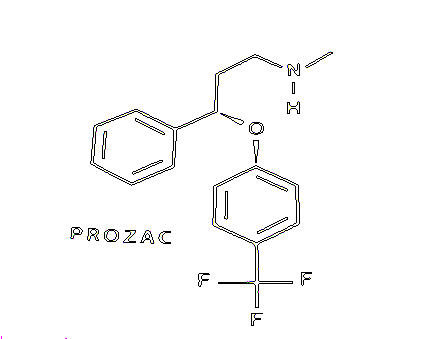
Acupuncture in combination with antidepressant medications is both effective and works much sooner than antidepressants on their own.
Journal of Affective Disorders.
Recent meta-analyses have reported stronger effects, particularly when acupuncture is combined with antidepressant medication, showing greater reductions in symptom severity and fewer adverse effects than medication alone. There’s also evidence of a dose-response relationship, with better outcomes seen over a course of repeated treatments.
Recent large-scale reviews provide some of the strongest evidence to date for the efficacy of acupuncture in treating Major Depressive Disorder (MDD).
The healthier you are the less treatment you need.
Many patients in our Auckland clinic find that while antidepressants are helpful, they often come with unwanted side effects or incomplete relief. Research now confirms that acupuncture not only boosts the effectiveness of these medications but also helps mitigate their side effects. Clinical evidence shows that patients receiving integrated care, combining acupuncture with their prescribed medication, experience fewer adverse effects and a faster response time than those on medication alone.
Recent systematic review and meta-analysis has shown that acupuncture combined with antidepressant medication is effective. It can accelerate the effect of drugs. Combined therapy is safe and well-tolerated.
If you’re willing to stop/reduce your medication, you can gradually wean off it only with the supervision of your GP or psychiatrist. We never advise you to stop antidepressants immediately when you start the treatment with us.
Yes. This is what we recommend. Research suggests acupuncture combined with antidepressant medication may lead to greater improvements in depression symptoms than medication alone, and some studies have also reported fewer adverse effects. This is one reason clinical guidelines tend to recommend acupuncture as an adjunctive treatment rather than monotherapy.
It depends on the person, how long symptoms have been present, and what else is going on with sleep, stress, energy and anxiety. Research suggests outcomes improve over a course of repeated treatments, rather than after just one or two sessions. Some people notice early changes, while others need a longer course to see steady progress.
Some people notice changes in sleep, tension, mood or energy within the first few sessions. For others, progress is more gradual. Depression is rarely just one symptom, so treatment often works best when there’s a consistent plan and enough time to track meaningful change.
When provided by a qualified practitioner, acupuncture is generally considered safe. In research on depression, acupuncture has been associated with fewer adverse effects than antidepressant medication alone. That said, acupuncture should never delay urgent mental health care, especially if someone is at risk of harm.
In practice, these related symptoms are often part of the treatment focus, because improving sleep and calming the stress/anxiety can make recovery feel more manageable and speed it up.
No. Acupuncture can be a supportive part of care, but it’s not a substitute for assessment and mental health support. If symptoms are severe, worsening, or include thoughts of self-harm, urgent medical support is essential.