Can acupuncture help with menopause symptoms?
Acupuncture is an option to improve your quality of life through menopause.
While some women have no significant issues with the transition from fertility into their menopausal years, others tend to experience unpleasant symptoms. Menopause can be surprisingly disruptive. For some women, symptoms are mild. For others, hot flushes, night sweats, poor sleep, irritability, anxiety, and fatigue can start to shape everyday life in ways that are hard to ignore.
Hormone therapy is the most effective treatment for hot flushes, but it is not the right choice for everyone. Some women cannot use it. Others would rather explore non hormonal options first.
With over 30 years of clinical experience in Traditional Chinese Medicine (TCM), our Auckland-based practice integrates modern research with time-honoured techniques to help women regain their quality of life.
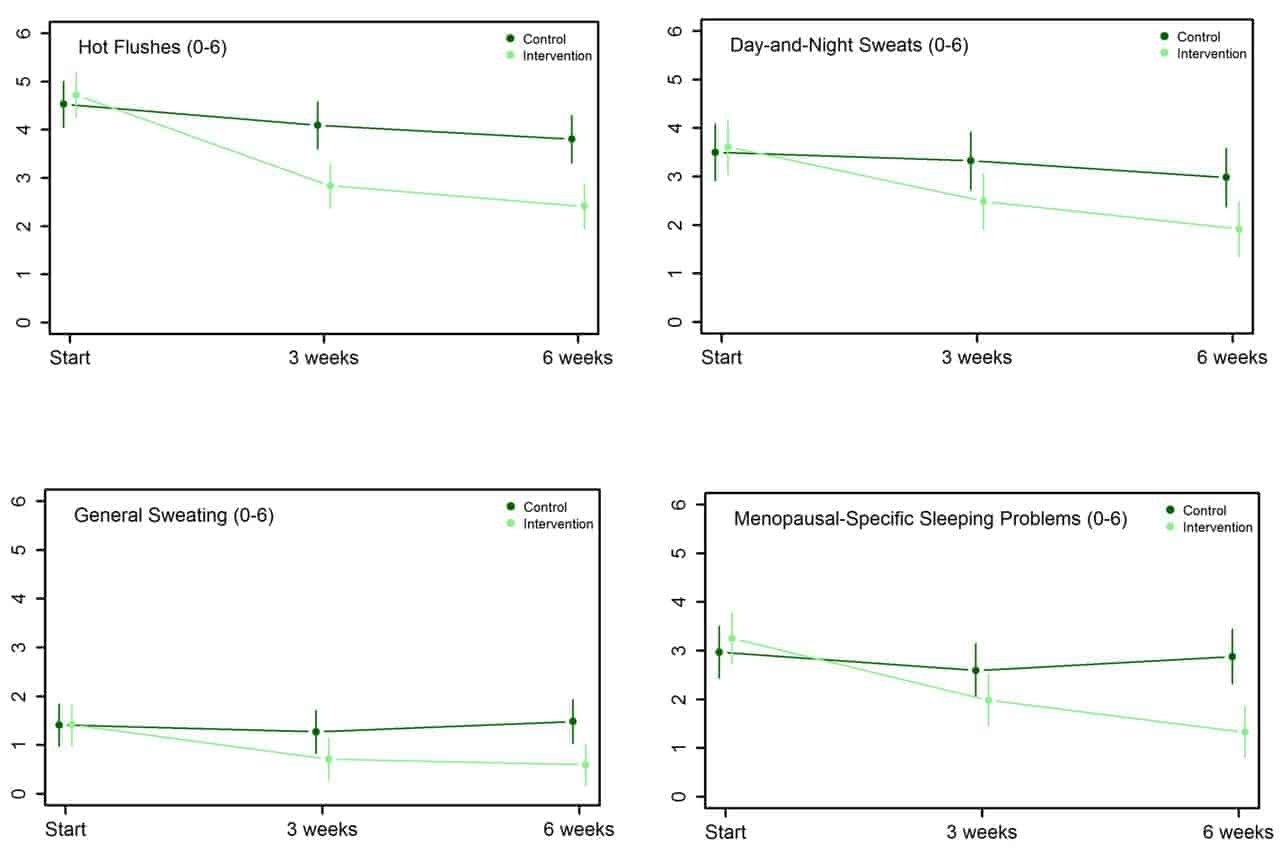
Women who had acupuncture reported a significant decrease in hot flashes, excess sweating, mood swings, sleep disturbances, and skin and hair problems.
“Acupuncture a Realistic Option vs HRT for Hot Flashes” Medscape March 2019
Considering acupuncture for menopause symptoms
If you are looking for a non hormonal option for menopause symptoms, you are not alone. Some women prefer not to use hormone therapy, while others may not get enough relief from it or may not be able to use it because of their medical history.
This is where acupuncture may be worth considering. Research suggests it may help manage symptoms such as hot flushes and night sweats, although results across studies have been mixed.
Acupuncture is generally considered safe when performed by a qualified practitioner. Rather than presenting it as a cure, it is more accurate to see it as one supportive option within an individualised treatment plan.
Acupuncture “eased bothersome menopausal symptoms, notably, hot flashes”
“Acupuncture a Realistic Option vs HRT for Hot Flashes” Medscape March 2019
How Acupuncture Works for Menopause: The Neuroendocrine Connection
Recent biomedical research suggests that acupuncture influences the body’s internal regulation systems, particularly the hypothalamus.
The β-Endorphin Hypothesis
During menopause, central β-endorphin levels typically decline, which can lead to instability in the body’s thermoregulatory centre. This instability is often the physiological trigger for hot flushes. Acupuncture is hypothesised to modulate hypothalamic β-endorphin activity, helping to stabilise these temperature-control mechanisms and reduce the frequency of vasomotor symptoms.
Autonomic Nervous System Regulation
Evidence indicates that acupuncture—and specifically electroacupuncture—may help regulate the autonomic nervous system. By influencing neurotransmitters and neuropeptides, treatment can help “calm” the overactive signals that lead to sudden sweating and heart palpitations.
What the Research Says: Efficacy and Evidence
When considering acupuncture, it is important to look at the clinical data. High-quality studies, including a 2018 umbrella review and the ACOM study published in BMJ Open, provide clear insights:
- Hot Flush Reduction: Meta-analyses show that acupuncture demonstrates moderate reductions in both the frequency (SMD -0.50) and severity (SMD -0.54) of hot flushes compared to no treatment.
- Rapid Improvement: Pragmatic trials have shown that a standardised course of five weekly sessions can significantly decrease sweats, sleep problems, and emotional symptoms within just six weeks.
- Comparison to Medications: Research suggests that electroacupuncture may offer efficacy comparable to non-hormonal medications like SSRIs or gabapentin for reducing hot flash frequency, without the associated pharmaceutical side effects.
- Quality of Life: The most consistent finding across multicentre trials is a significant improvement in the Menopause-Specific Quality of Life Questionnaire (MENQOL) scores, particularly in the physical and emotional domains.
We found that a course of acupuncture treatments was associated with significant reduction in VMS*, and several quality-of-life measures, compared with no acupuncture, and that clinical benefit persisted for at least 6 months beyond the end of treatment.
*WMS refers to vasomotor symptoms like hot flashes, are caused by a sudden increase of blood flow to the face, neck, and chest. This leads to the sensation of extreme heat and profuse sweating.
Acupuncture is safe when administered by a qualified practitioner
Acupuncture is recognised as a safe, low-risk intervention with a significantly better safety profile than many hormonal or pharmacological treatments
Acupuncture for menopausal symptoms is a realistic option for women who cannot or do not wish to use Hormone Replacement Therapy.
Conclusion
Going through menopause can be tough. Bothersome symptoms like hot flashes, mood changes, depression will affect women’s careers and personal lives.
Hormone replacement therapy poses as an effective treatment option, but not for everyone. As a result, many women are deservedly apprehensive about this pharmaceutical treatment.
Acupuncture can be an effective natural alternative. It may reduce undesired menopause symptoms and improve your quality of life.
It may help you find your new balance, new you.